Kinder, gentler sex and violence
As Japan continued to distance itself from the wreckage of World War II, more and more people started buying and watching television sets. As it had done in the United States some years before, this trend sent the movie industry into a panic, and not without good reason. Profits declined, and theater attendance dropped. The solution many film companies came up with was simple enough: if you need to compete with broadcast television, do so by packing your features with the kind of stuff you can’t put on TV. This means, as you can guess, more sex and violence. Shintoho opened the door by continuously pushing the envelope on crime and action films centered around female protagonists and seedy environments. As the film industry crisis grew more pressing, Nikkatsu studio (which rebuilt its capital by running theaters that showed foreign films) decided that it was time to ramp up the nudity. Nikkatsu Studio didn’t so much blaze a trail as they did burn everything to the ground with a series of films that became known as “Roman Porno” films — a shortening of the phrase “Romantic Porno.”
The term was meant to differentiate the Nikkatsu films from straightforward pornos, which had always existed in the underground and, during the 1970s, were starting to make their mark on society in a much bolder and more mainstream fashion. The Nikkatsu films, by contrast, boasted bigger budgets (relatively speaking), recognizable actors (also relatively speaking), and even respectable writers and directors. Of course, they were still sleazy melodramas full of nudity, and that’s what made them special. The Nikkatsu films tended to explore bizarre sexual territory, delving frequently into the world of S&M and rape. They were inexpensive and easy to make and helped keep the studio afloat when so many other, less daring (or sleazy, or opportunistic, if you prefer) studios were tanking.
Also badly in need of an injection of life, Toei Studios decided to jump on the sex and violence bandwagon, though they tended to take a different approach than the Roman Porno movies of Nikkatsu. Toei was doing well with a variety of action-oriented films, so they decided that they should stick with the action movies, but jam them with more nudity and even greater amounts of violence. Thus was born the pinky violence film. Once Toei established the framework, plenty of other studios followed it. These pinky violence movies tended to exist within an established number of settings: they were either turn-of-the-century female samurai/gambler movies (Sex and Fury, Female Yakuza Tale, and the Lady Snowblood movies) derived from less sexual but scarcely less violent precursors like the Crimson Bat and Red Peony Gambler films; and they were “girl gang” or “juvenile delinquent girl” (sukeban) movies. From time to time, a women-in-prison film would get thrown into the mix, the most famous being the Female Convict Scorpion.
For the most part, though, girl gangs ruled the roost, because they were easiest to film. They didn’t require period sets or costumes. Directors could shoot guerilla-style at various locations around Japan, usually without worrying about casting extras or getting permits (which is why so many of these films feature shots of the characters walking down the street surrounded by onlookers gawking directly at them or into the camera). And you could make the same movie over and over with only a few tweaks to keep it interesting (this movie has a gang of girls just out of reform school; that movie has a biker gang; and so on).
What made these exploitation films interesting is that they became the playground for a lot of inventive directors who felt the more traditional films hamstrung them and wouldn’t allow them to explore wild new directing styles and story content (the sex and violence didn’t hurt, of course). So amid the boobs and bloodshed, you often got films with creative and ground-breaking direction, as well as plots that tackled all sorts of taboo subjects (violence against women, racism, war crimes, et cetera). Sometimes the messages were there as convenient justification for the exploitation. Sometimes, the exploitation was there to make the message easier to express. Whatever the case, it made for some wild films that offer up all sorts of potential for discussion.
The Zubeko Bancho (Delinquent Girl Boss) films were a series of pinky violence movies that were lighter on the pinky and the violence than many of their contemporaries. Delinquent Girl Boss: Worthless to Confess is the final in the series, though it’s a self-contained adventure that has little carried over from the earlier films beyond the star, Reiko Oshida. You don’t need to go into this film worried that you haven’t seen the previous three, except in the capacity of really wanting to see the first three films because you figure they’re probably pretty cool.
I don’t want to stray too far into the realm of plot synopsis, but I do want to lay out the opening scene of this film, as it sets a thematic tone for everything that comes after. We open on a group of juvenile delinquent girls at reform school movie night, where they are supposed to be suffering through a documentary about the flora and fauna of the Hokkaido region. However, the projectionist has been convinced by the girls that he should show one of Takakura Ken’s Abashiri Prison films instead. As the girls go nuts over seeing yakuza matinee idol Takakura Ken leaping about in the Hokkaido snow, slicing chumps down with his trusty katana, prison officials try to figure out what kind of nature documentary this is. Once they figure out Hokkaido’s Great Outdoors is actually one of the Abashiri Bangaichi movies, they pull the plug, resulting in a modest riot of shoe and panty flinging.
Opening with a salute to the Abashiri Prison series means rather a lot to this sort of film. The most obvious is the simple act of homage. During the 1960s, Takakura Ken was one of the biggest (perhaps the biggest) stars in Japan, thanks in large part to his frequent appearances as a noble yakuza fighting battles full of honor and humanity. The Abashiri Prison series was his long-running string of films that all seem to start with him as a yakuza freshly released from Abashiri Prison with visions of “going straight” only to get caught up in some sort of gangland turmoil so that the film can end with him going back to Abashiri Prison as some trumpet-heavy closing theme song wails in the background. The first Abashiri Prison film wasn’t meant to be much more than a quick, cheap yakuza film. But something about the movie and it’s story of a man who proudly clings to the tradition of yakuza nobility and honor even as the world around him descends into cynicism resonated with young Japanese audiences, who perhaps saw it as a metaphor for Japan’s struggle in the wake of World War II. Here, after year of waiting, was a film that grandly celebrated these mythical Japanese qualities. Folks ate it up, and a franchise was born.
Takakura Ken and his movies served as the template for yakuza films throughout the 1960s, until Kinji Fukasaku turned the genre upside down in Battles without Honor and Humanity, the film that dared postulate that maybe not all these yakuza guys were noble anti-heroes with swank theme songs; that many of them were, in fact, wretched scumbags and cowards with swank theme songs. Curiously, the yakuza seemed as enthusiastic about this portrayal as they’d been by the Takaura Ken films of the previous decade, probably because as weasely and pathetic as most of the characters were, at the end of the day there was still Bunta Sugawara up there on the screen, standing tall and looking cool and letting all the junior yakuza types fancy they were like him rather than like the squealing, flailing goofballs that comprise most of the cast of characters.
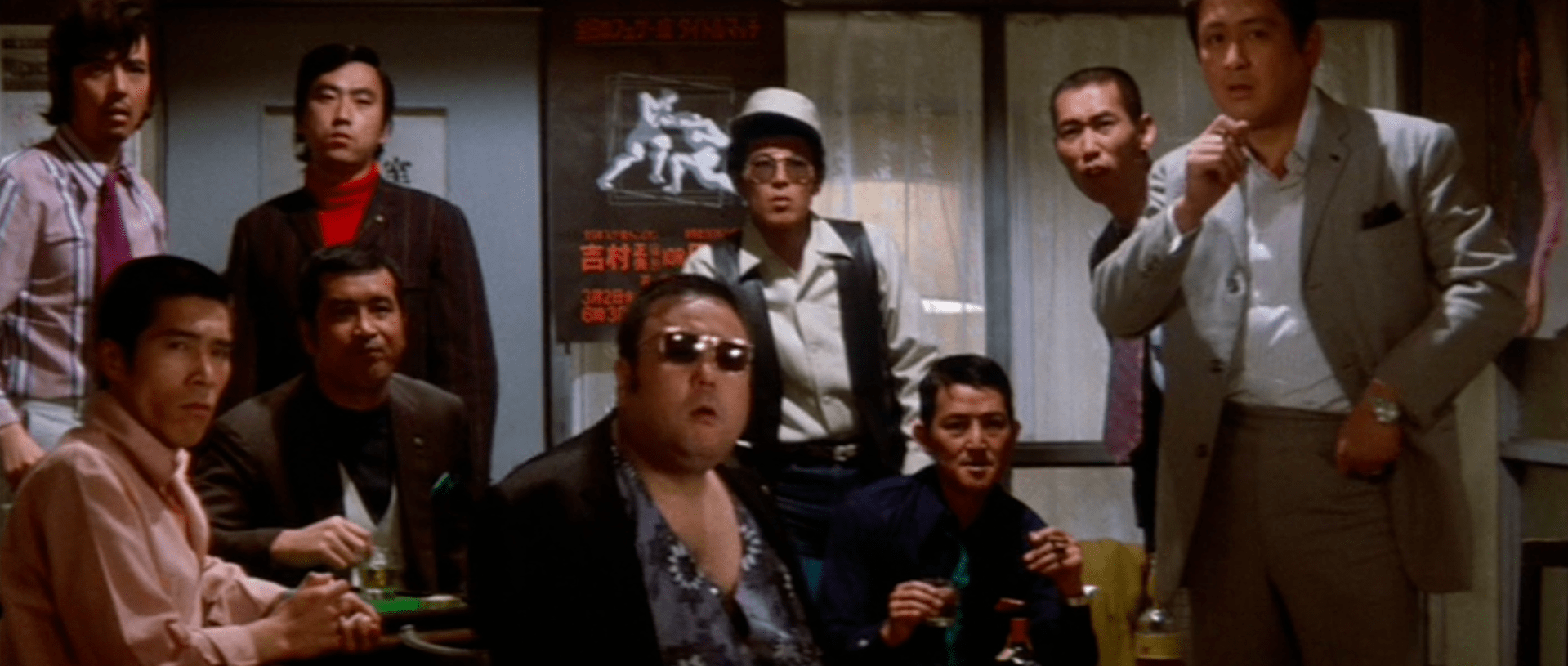
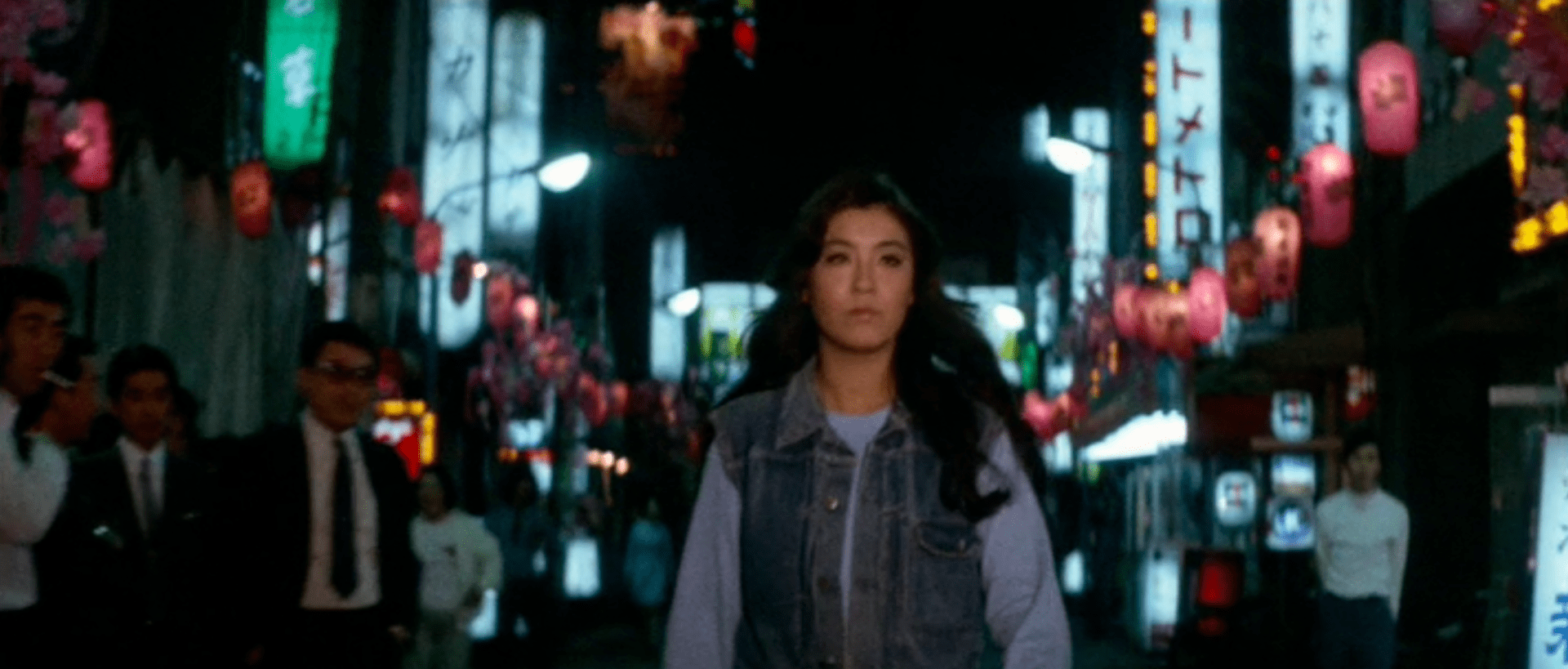
Worthless to Confess mostly features squealing, flailing goofballs yakuza, though the girls in the movie are considerably more honorable than the gents. Where Kinji Fukasaku’s films are incisive deconstructions of the yakuza myth, Worthless to Confess is more of a “between two worlds” look at yakuza who are like Fukasaku’s cowardly, backstabbing scumbags but exist in a world that acknowledges the existence of the Takakura Ken yakuza movies that created (or at least helped perpetuate) the myth in the first place, like making a zombie movie set in a world where zombie movies exist. Ken represents the image to which the yakuza strive, while Kenji represents the reality of what they achieve. And somewhere caught in the middle of it all, the women in the movie are more Takakura Ken than the yakuza around them, and like the matinee idol, star Reiko Oshida lives a life that follows the Abashiri Prison pattern of getting out of reform school, trying to go straight, getting caught up in turmoil, and ultimately winding up back behind bars.
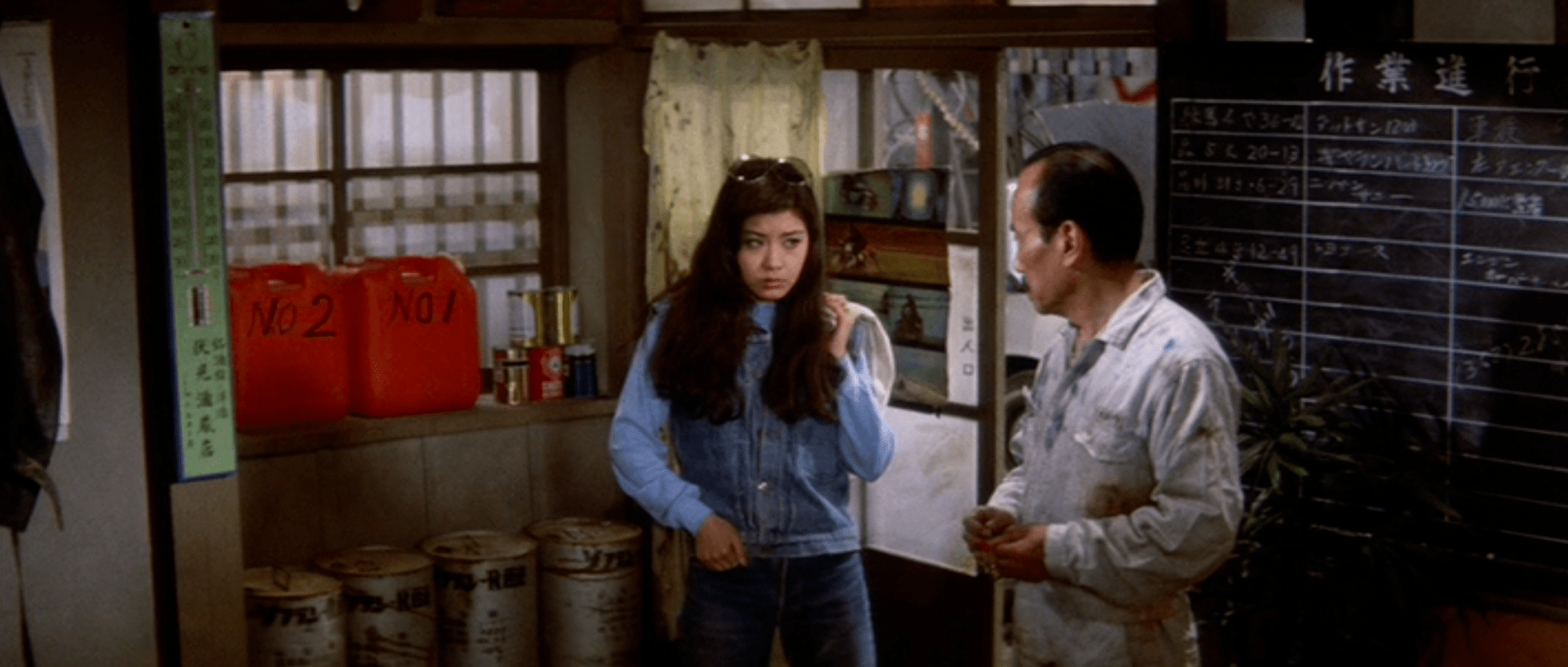
Oshida (who, in addition to her film work, was a member of the cast of Playgirl, a TV show swingin’ crime-fightin’ chicks) plays Rika, a small-time delinquent serving a sentence in a women’s reform school where she meets a variety of other inmates, including a woman named Midori (Yumiko Katayama, another Playgirl alumnus), whose boyfriend is a small-time yakuza punk—though like all small-time yakuza punks, he thinks he’s a major player) and whose father, Muraki (yakuza film mainstay Junzaburo Ban), is a kindly auto mechanic. When Rika gets out, she takes a job in the old man’s garage and discovers that Midori is bleeding her father dry in an attempt to pay off her deadbeat boyfriend’s ever-escalating gambling debts. The local yakuza are keen to see the guy get in so much debt that Midori will pressure her father to sell his garage, and Rika is keen to protect the old man and try to straighten Midori out. Needless to say, in order to do so, she’ll have to reassemble the old gang from reform school.
A lot of the pinky violence films that hit the market during the 1970s weren’t aiming to do much more than cram as much T&A and violence onto the screen as they could get away with. And really, just like there’s nothing wrong with seedy cheerleader sexploitation movies, there’s nothing wrong with Japanese girl gang movies that really don’t want to do more than pack the screen with boobs and bloodshed. However, there were also certain movies that managed to fulfill the basic demands of the genre without indulging in the excesses of their contemporaries and while filling in the sex and violence gaps with better stories and better characters. Delinquent Girl Boss: Worthless has the T, has the A, and has the violence, but not in the doses that other films boasted. Instead, it features a complex plot, sincere melodrama, and likable characters. It’s a more ambitious movie, and a better one as a result.
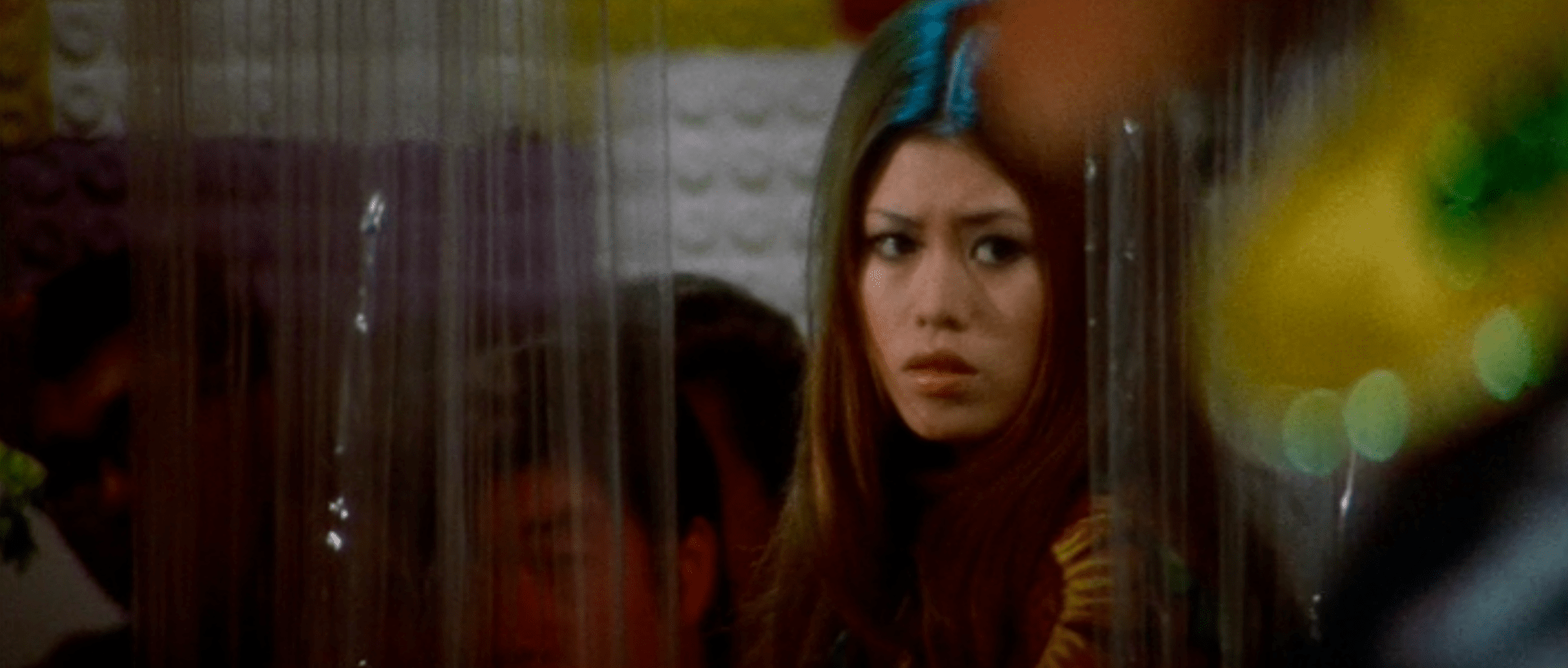
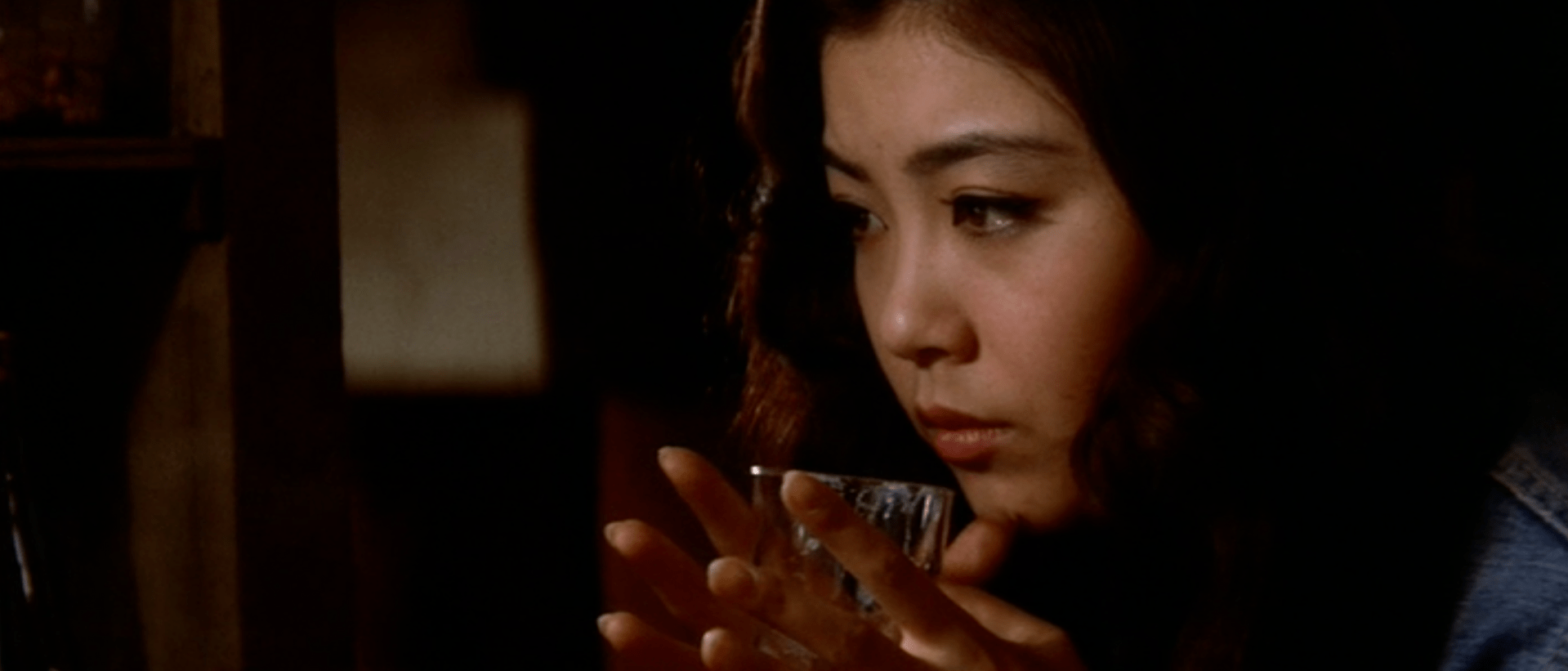
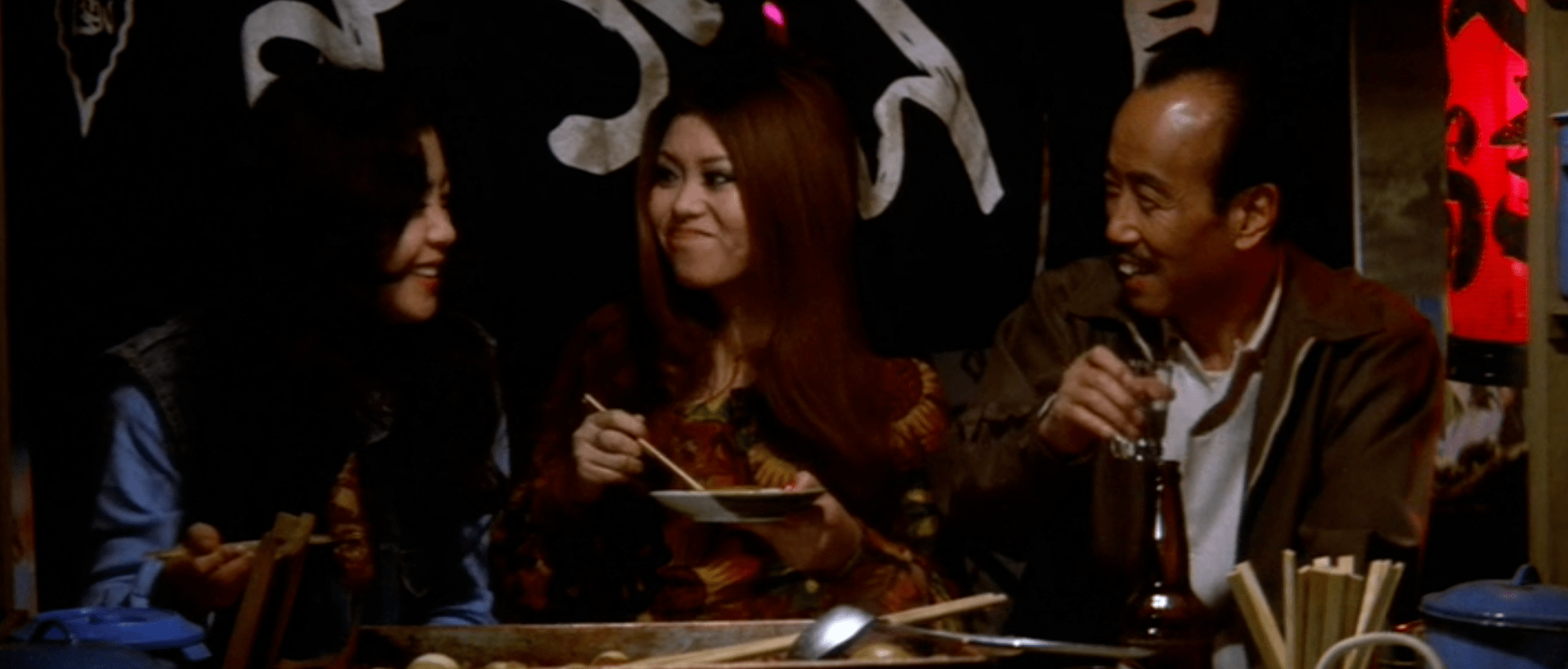
Among the film’s major assets is Reiko Oshida. Meiko Kaji and Reiko Ike may have been the queens of Japanese exploitation cinema during the 1970s, but you’d be hard-pressed to find a more personable, charismatic leading lady than Oshida. Meiko Kaji looked dangerous, mysterious, and alluring. Reiko looks like the cute girl next door who just took a few wrong turns here and there, but is basically sweet even if her wrong turns means she also affects a take-no-crap toughness. Her character, Rika, is instantly charming and, unlike many of the leads in pinky violence films, isn’t an anti-heri. She’s a straight u p good guy despite her rap sheet. She gets out of prison, smiles, and helps people out. But then, she’s also engaging once she’s “pushed over the edge” and breaks out the red overcoat and katana for the film’s outrageous finale.
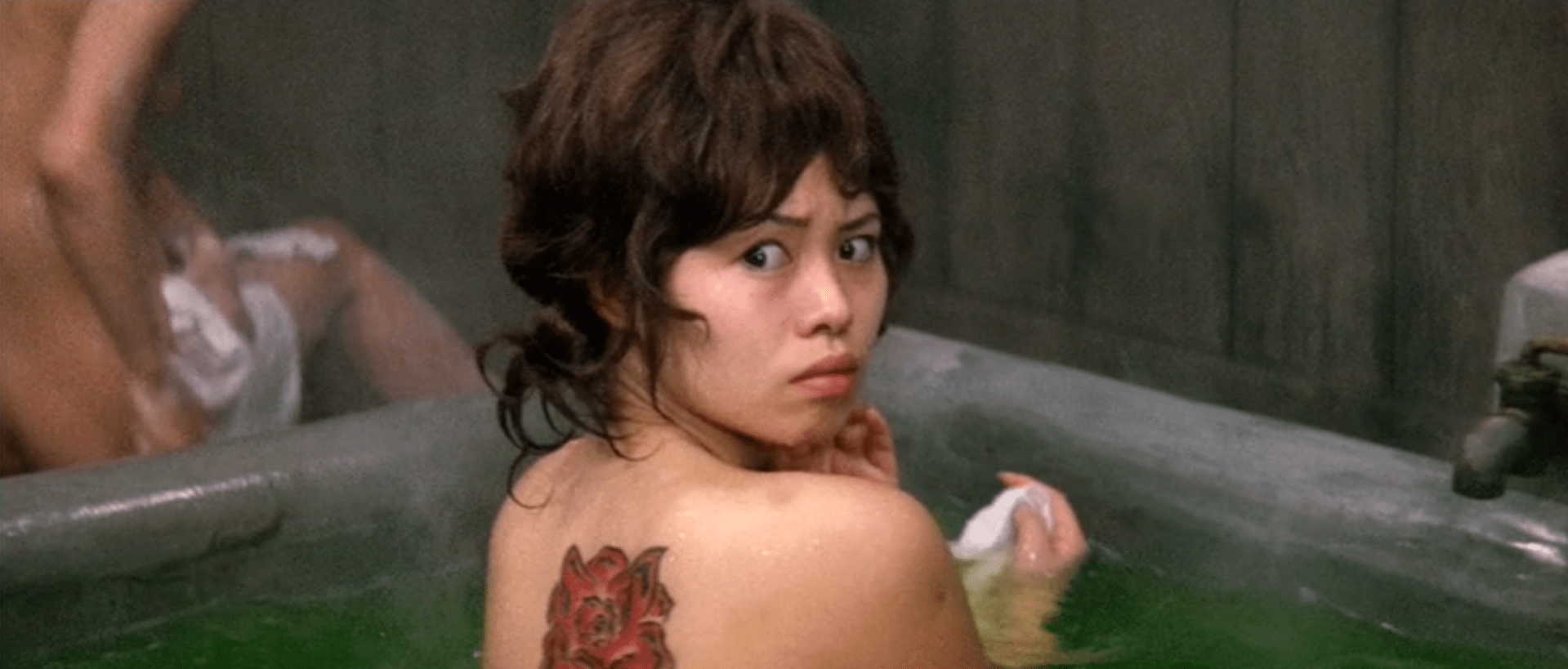
Unusually, the film steadfastly refuses to make Reiko Oshida drop her drawers, something practically unheard of for the lead in a pinky violence girl gang movie. But the director, Kazuhiko Yamaguchi (who was also the scriptwriter), was adamant that her lack of nudity was essential to the overall success of the story, and he fought to keep his vision intact. What nudity there is in the film is handled by co-stars Yumiko Katayama (who plays Midori) and Yukie Kagawa (who plays Rika’s pal Mari). While Rika’s lack of nudity is used as one more way to make her seem different and more innocent than the rest of the cast, it should be noted that none of the characters who lead sexier and more promiscuous lifestyles are looked down upon. For the most part, sexual liberation and freedom is treated as A-OK. Mari ends up working in a scummy nude modeling club, but the scumminess is seen as entirely belonging to the assholes who go there and treat her poorly.
Oshida is buoyed by a great supporting cast. Yukmiko Katayama is wonderful as Midori, the most complicated of all the women. She’s the more classical pinky violence anti-heroine in that she does a lot of questionable things before finally being redeemed in time for the big showdown. Her boyfriend and the yakuza are suitably slimy, and you spend most of the movie in eager anticipation of the comeuppance you know is going to be delivered unto them. Pinky violence regular Tsunehiko Watase plays a truck driver who falls for Rika and gets to be the only decent guy in the whole movie. Mari’s husband is a sickly yakuza who also happens to be the truck driver’s brother. He’s not a bad guy, but he’s a load on his brother and wife, and although he dreams of taking Mari away and starting a clean life, he also can’t divorce himself from the delusions associated with being a yakuza. He just has to prove himself, just one time, then he can go. Unfortunately, he ends up being told to prove himself by killing Midori’s father (unaware that he’s her father). There’s also a Lou Costello-type assistant mechanic who is there for comic relief that is neither especially funny nor especially painful, which is about the best you can hope for when it comes to comic relief. And finally, Nobuo Kaneko hams it up royally as the fey yakuza Boss Ohyu.
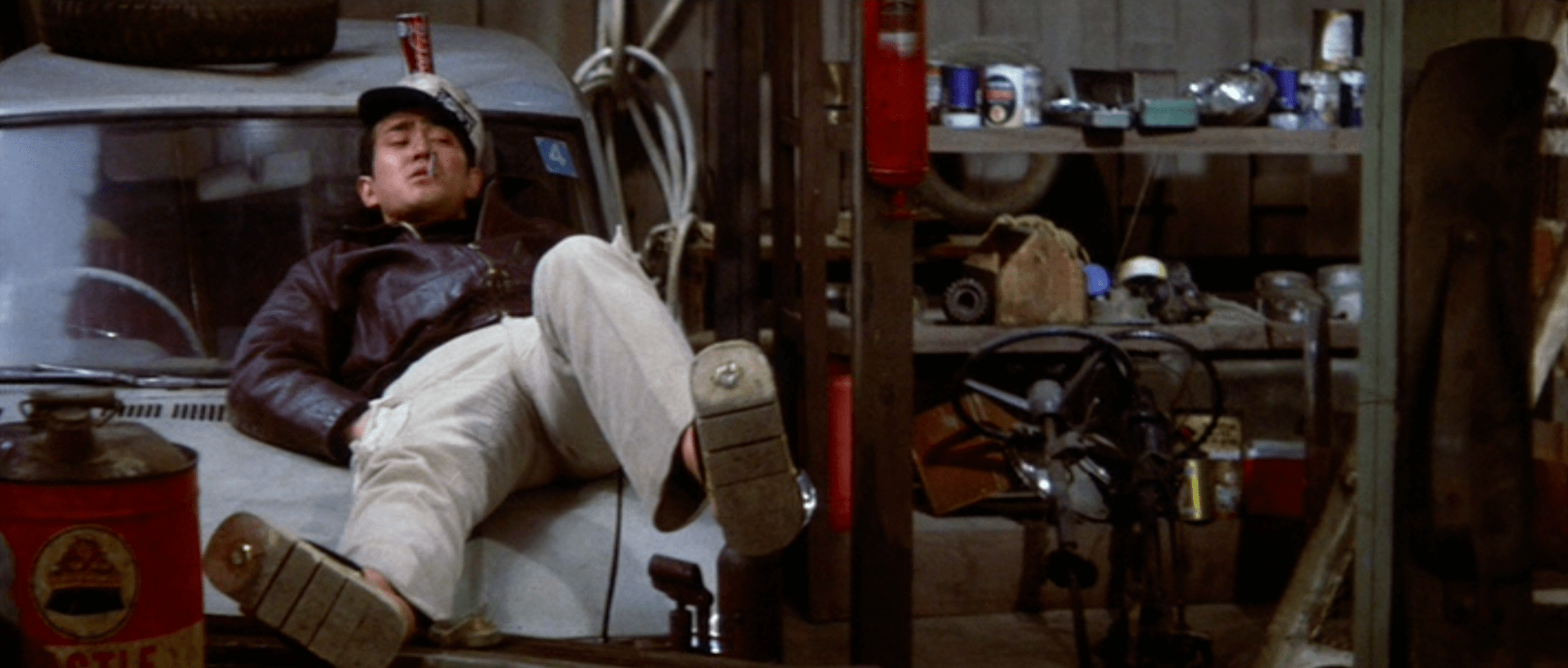
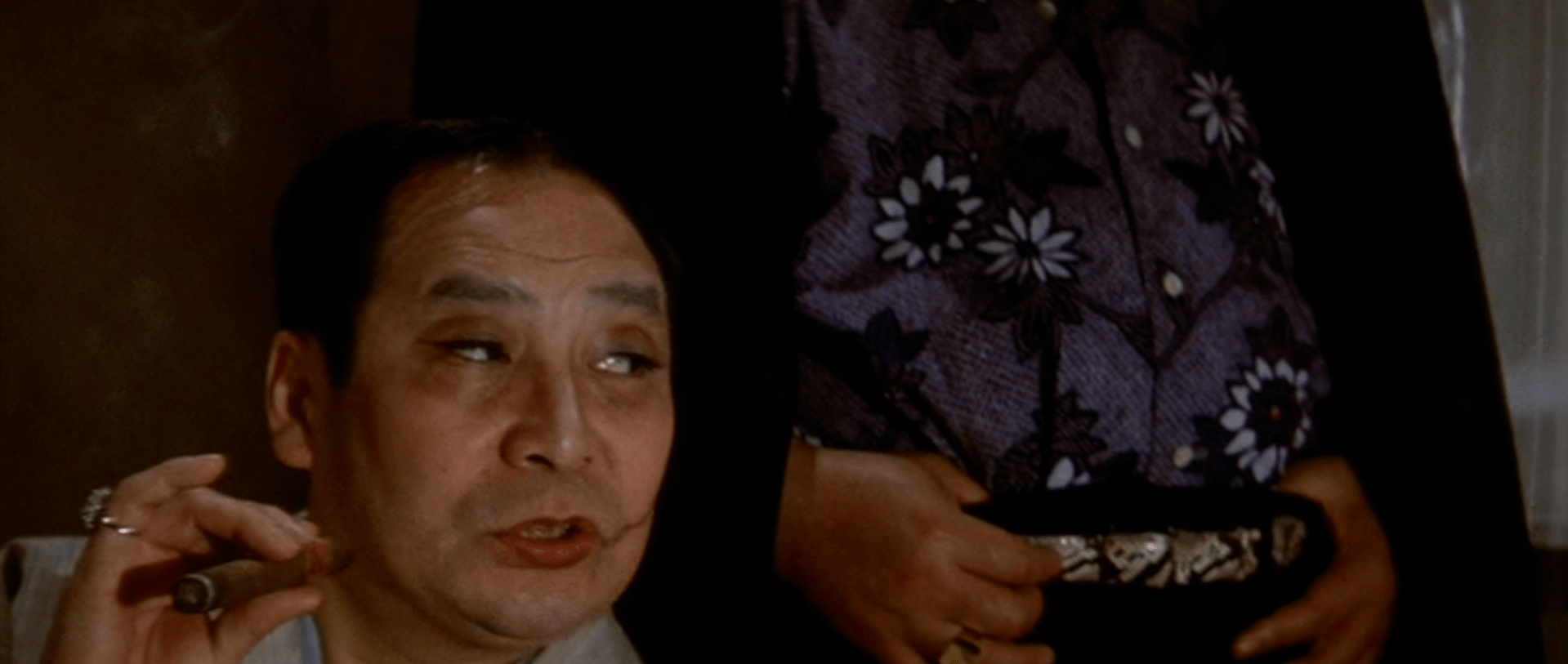
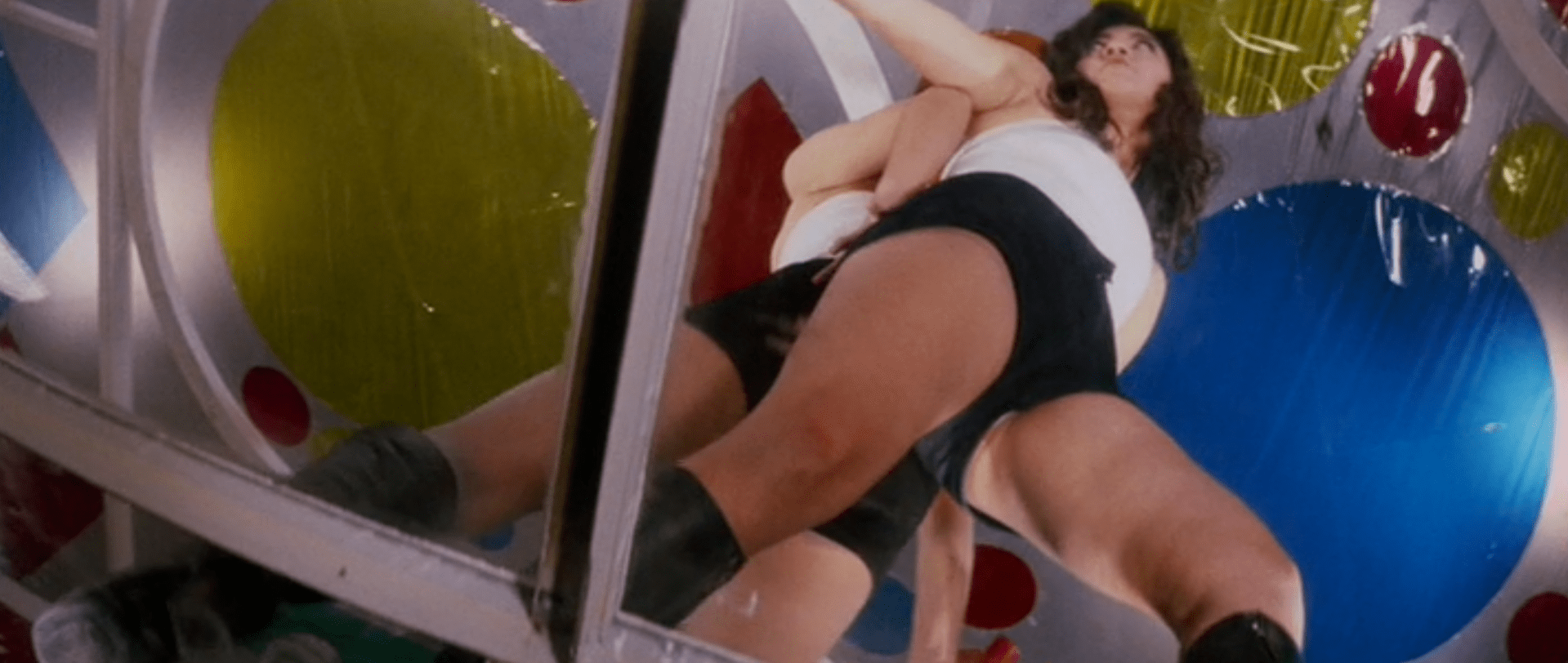
Anchored by a quality cast and a sparkling leading lady, screenwriter/director Kazuhiko Yamaguchi is able to delve into deeper territory than is visited by the average pinky violence film. Themes of “female empowerment” and liberation are often grafted onto pinky films as an easy way to deflect some of the criticism and charges of misogyny that dog such exploitation fare. Usually, these feminist messages are disingenuous, so it is nice to come across a movie that does indeed manage to be both exploitive and pro-woman. The women in Worthless to Confess are basically good people. They’re treated with respect from beginning to end, and the movie doesn’t indulge in any of the leering rape nudity that shows up in so many other pinky violence movies. Rika and Midori both find themselves on the receiving end of some yakuza torture and sneering, but it is relatively restrained by pinky violence standards, and cut short before anything really nasty happens.
Worthless to Confess is also unique in its portrayal of the family. In most pinky violence films, families are dysfunctional; full of shrieking psychotic mothers, incestuous fathers, or parents who simply don’t give a damn about anything. Worthless to Confess gives us a kindly and respectable father figure, and Rika and her gang really don’t want much more out of life than to find a place they can call home and a group of people to whom they can refer to as family. At the same time, most of the men besides Midori’s dad and the truck driver are scheming, backstabbing scumbags. The only men who can be trusted are the hard-working, regular Joes—the truck drivers and the auto mechanics of the world (though Midori’s dad has a great twist in his story that reveals him to be a little more than just a simple, hard-working auto mechanic). Most can’t be trusted or, at the very least, can’t be depended upon.
If they aren’t slimeball yakuza tripping over pachinko machines and getting their asses handed to them in fights by Rika, then the men are portrayed as asexual or feminine (not the most progressive stance by today’s standards, but that’s history for you). Gang girl Choko, for instance, is married to a nice but ineffectual goofball who cowers behind her at the club when yakuza start throwing their weight around. He spends much of the film in an apron and head scarf, making food and drinks for Choko and her pals, which while played somewhat for laughs, is also endearing, especially in a genre where most boyfriends are screaming, abusive rapists.
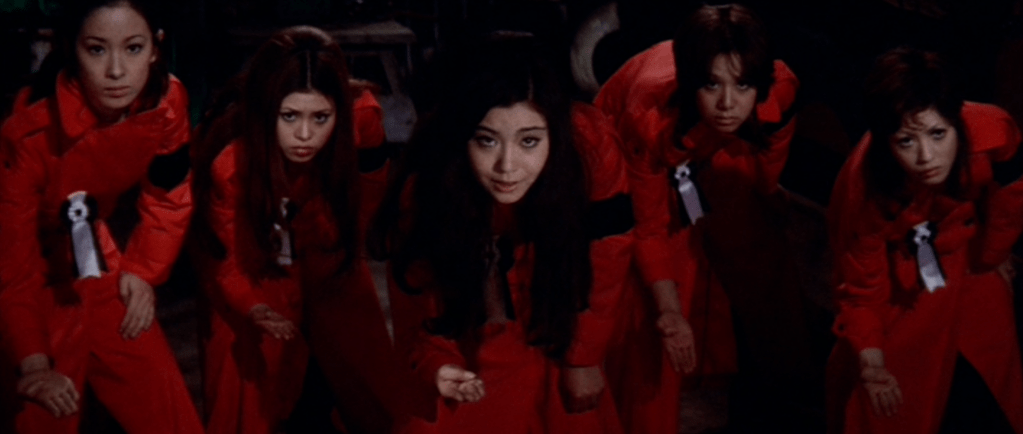
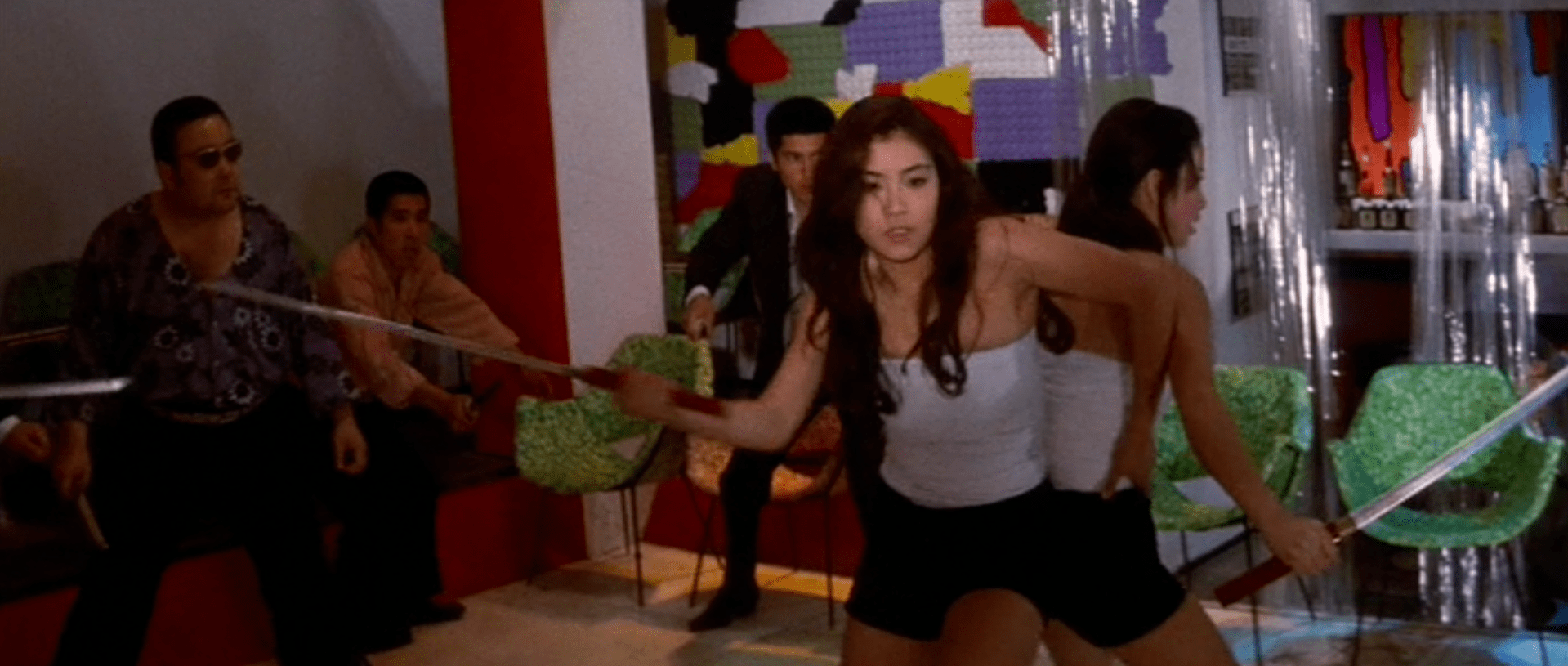
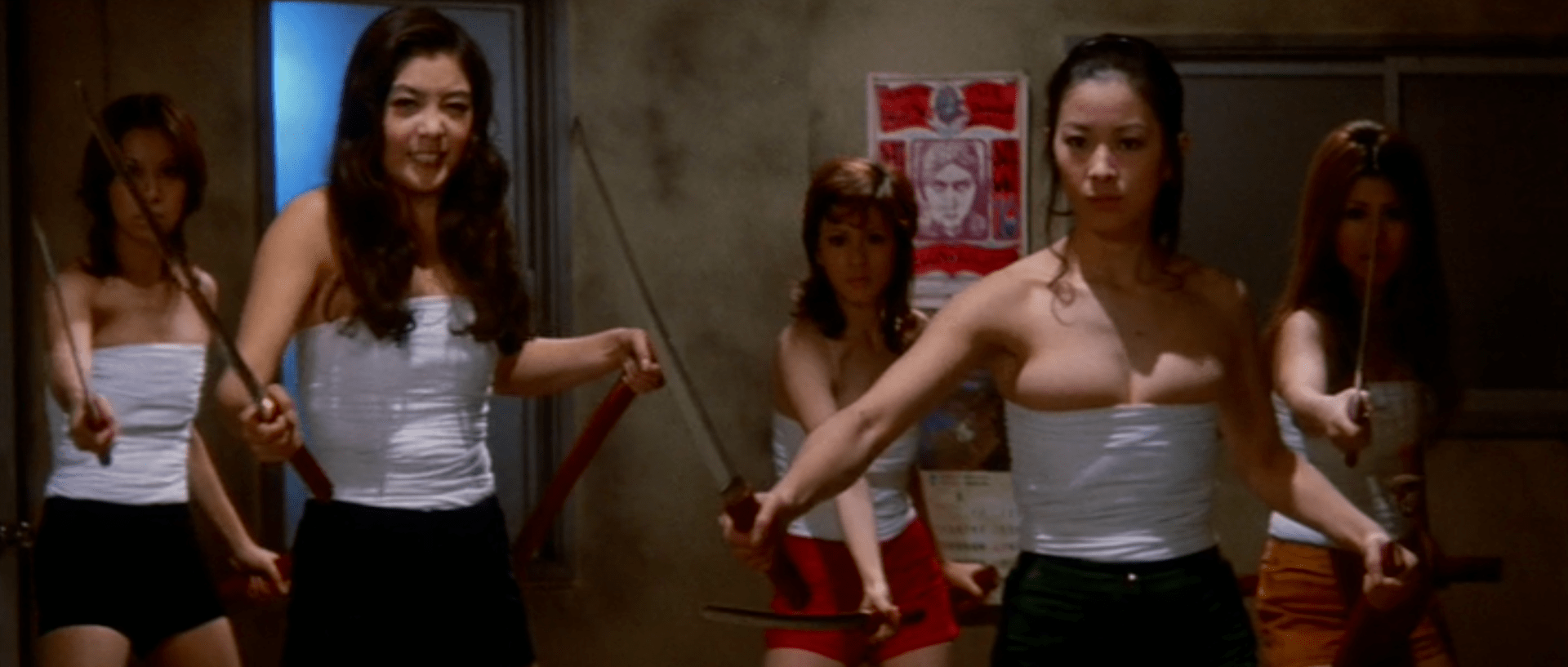
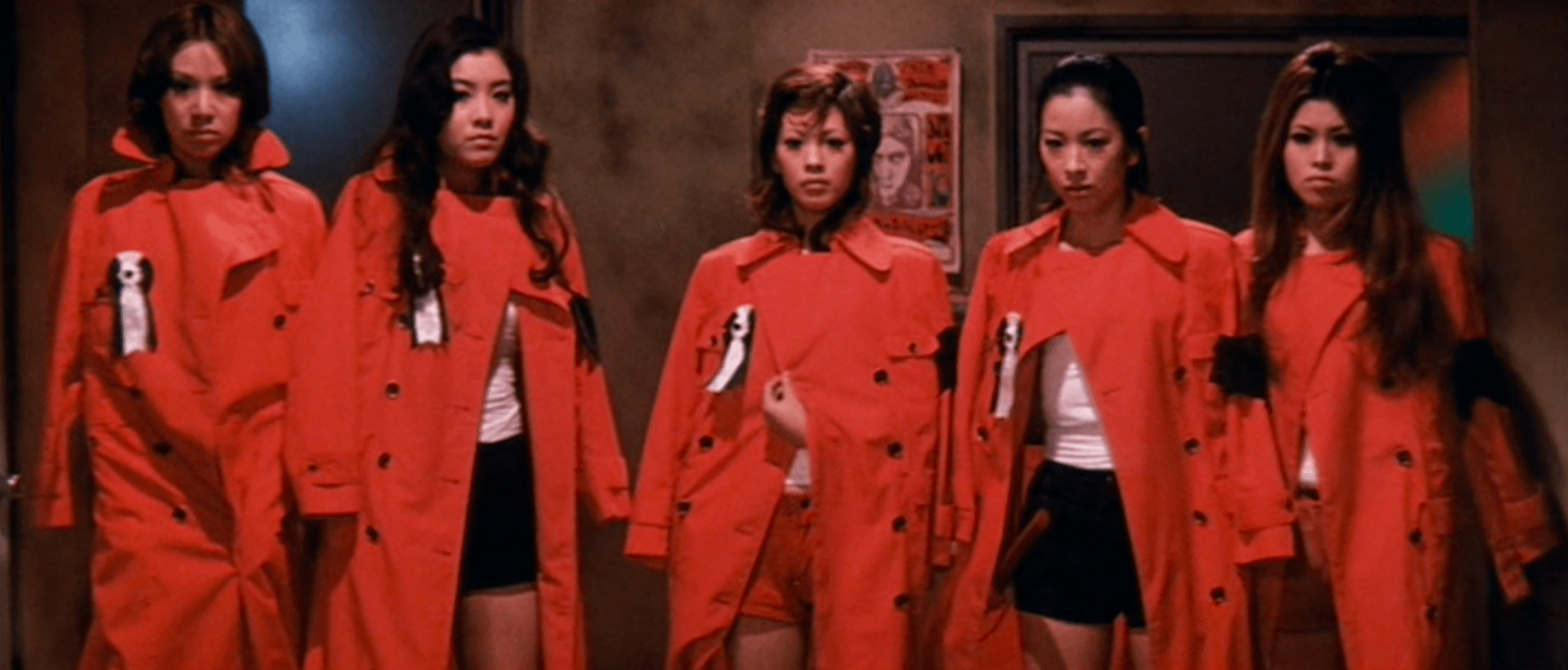
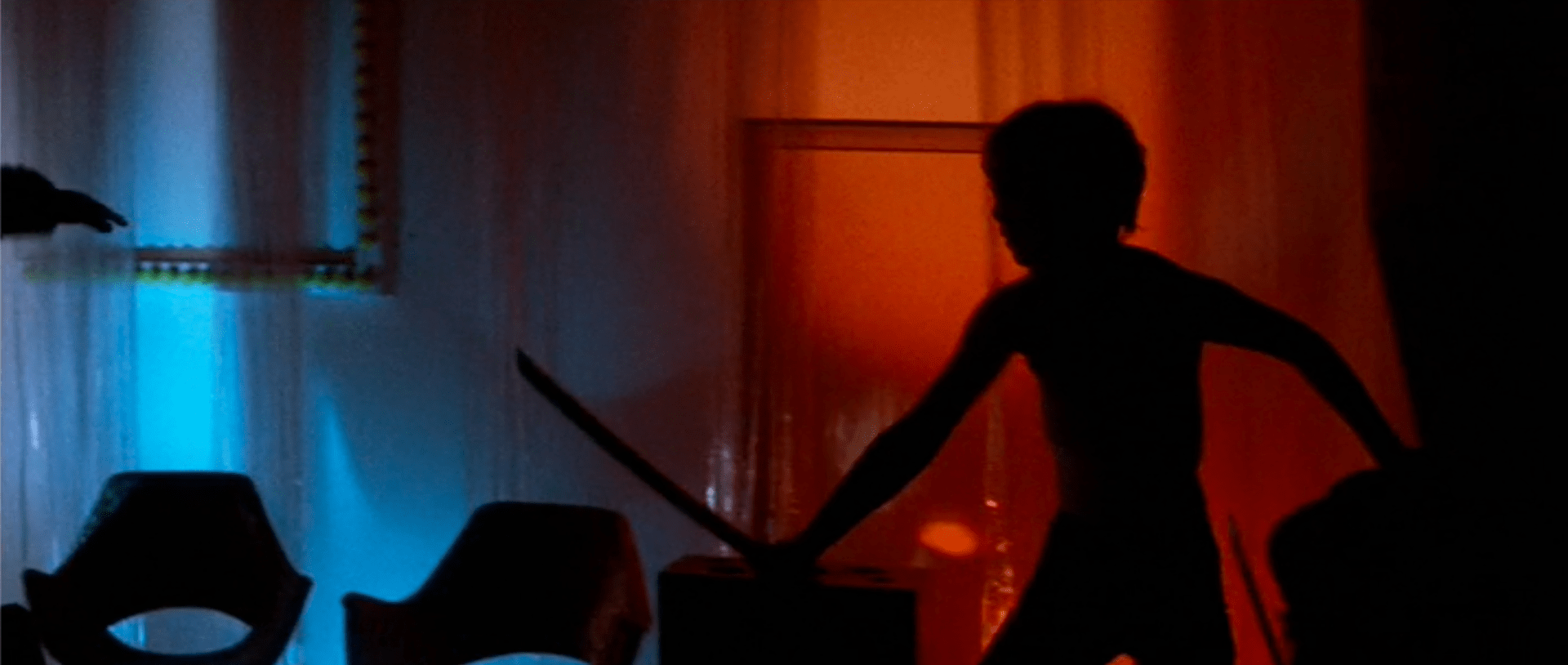
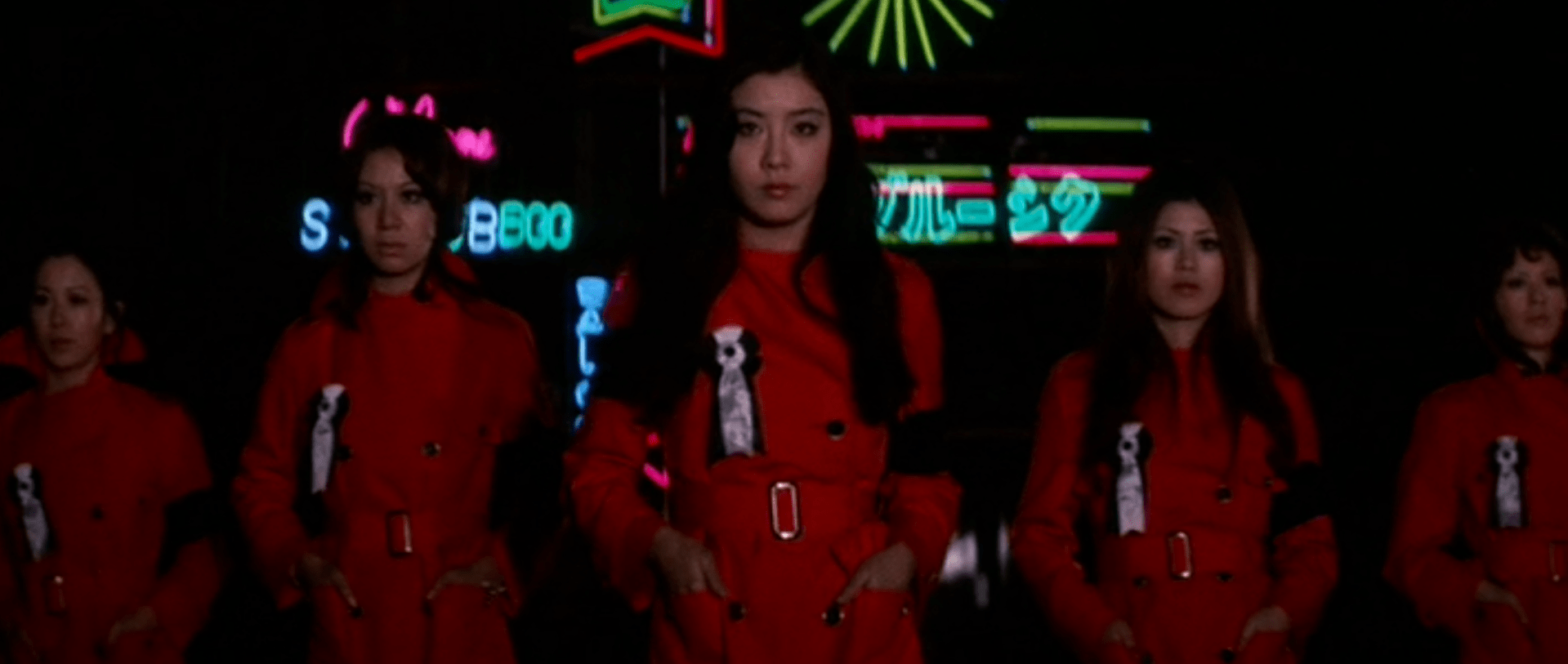
There’s really not much action in this movie, but you don’t really notice. The first fight scene doesn’t come until the forty-five minute mark, which is very different from, say, Girl Boss Guerilla, which can’t go more than five minutes without some gang girl pulling off her shirt and starting a knife fight. Of course that reserve goes out the window the second Rika and her girls throw on hot pants and go-go boots, break out their swords, and slice their way through a pop art club full of whimpering, worthless yakuza assholes. If Worthless to Confess lacks the nonstop insanity of many of the zanier entries in the world of pinky violence, it makes up for it with a finale that is off-the-charts awesome, doubly so since the movie has spent the last eighty minutes or so making you actually care about what happens to these women. The sight of Reiko Oshida and her crew walking down the street in formation wearing blood red trench coats, which they throw off to reveal their battle outfits and katanas as they explain their intention to slaughter every goddamn yakuza in the club, is absolutely fantastic.
 Teleport City